Rheumatology
Expert, compassionate care for arthritis, autoimmune and musculoskeletal conditions
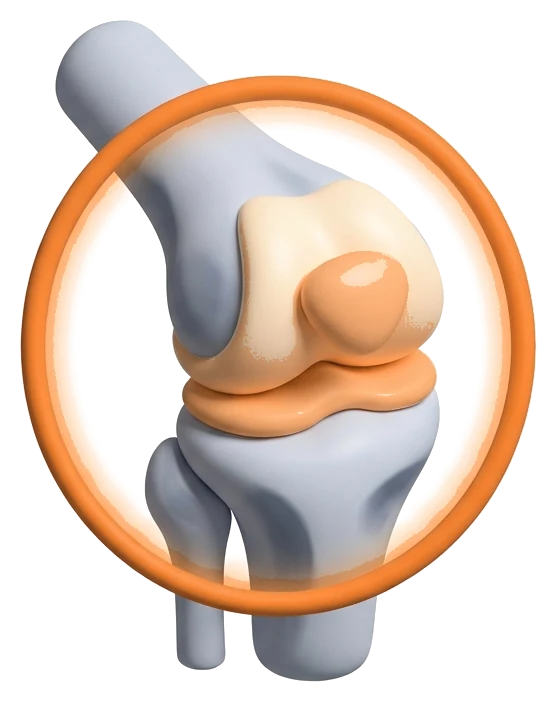
Understanding Rheumatology
Rheumatology is the branch of medicine devoted to diagnosing and treating conditions that affect the joints, muscles, bones and connective tissue — as well as autoimmune and inflammatory diseases where the body's own immune system mistakenly attacks healthy tissue. These illnesses can be complex and are often invisible to those around you: persistent joint pain, stiffness, swelling and deep fatigue can quietly disrupt work, sleep and everyday life. A rheumatologist is a physician with specialised training to recognise these patterns early, pinpoint the underlying cause, and guide you toward relief and long-term control.
Many rheumatic conditions share overlapping symptoms, which is why they are frequently misunderstood or diagnosed late. Conditions like rheumatoid arthritis, lupus and gout are systemic — meaning they can affect not just a single joint but the whole body, including the skin, eyes, kidneys, lungs and blood vessels. The encouraging news is that modern rheumatology has transformed outcomes. With accurate diagnosis, careful monitoring and today's advanced therapies, most patients can significantly reduce pain and inflammation, protect their joints and organs from lasting damage, and get back to living fully.
At PRIC, we believe every patient deserves clarity and a plan. Our approach combines detailed clinical assessment, advanced immunological and laboratory testing, and imaging to reach the right diagnosis — followed by a treatment strategy tailored to your specific condition, lifestyle and goals. Whether you are seeking answers for unexplained symptoms or ongoing support for a known diagnosis, our team is here to walk alongside you with expertise, patience and genuine care.

Conditions we treat
Rheumatoid Arthritis
A chronic autoimmune disease in which the immune system attacks the lining of the joints, causing pain, swelling and stiffness — often in the hands, wrists and feet, and typically on both sides of the body. Early treatment is key to preventing lasting joint damage.
Lupus (SLE)
Systemic lupus erythematosus is an autoimmune condition that can affect many parts of the body, including the skin, joints, kidneys and blood. Symptoms may come and go in flares and vary widely from one person to another.
Gout
A form of inflammatory arthritis caused by a build-up of uric acid crystals in the joints, leading to sudden, intense attacks of pain, redness and swelling — most often in the big toe. It is very treatable with the right long-term management.
Ankylosing Spondylitis
A type of inflammatory arthritis that mainly affects the spine and the joints where the spine meets the pelvis, causing back pain and stiffness that is usually worse in the morning or after rest. Over time it can affect posture and mobility if untreated.
Psoriatic Arthritis
An inflammatory arthritis that can develop in people with the skin condition psoriasis, causing joint pain, swelling and stiffness. It may also cause swelling of entire fingers or toes and changes to the nails.
Osteoarthritis
The most common form of arthritis, caused by gradual wear of the protective cartilage that cushions the ends of bones. It typically affects the knees, hips, hands and spine, causing pain and stiffness that often worsen with activity.
Sjögren's Syndrome
An autoimmune condition that primarily affects the glands producing tears and saliva, leading to persistent dry eyes and a dry mouth. It can also cause fatigue and joint pain, and may occur alongside other rheumatic diseases.
Scleroderma
A rare autoimmune condition that causes hardening and tightening of the skin and can affect blood vessels and internal organs. Careful monitoring by a specialist helps manage symptoms and protect organ health.
Vasculitis
A group of conditions marked by inflammation of the blood vessels, which can reduce blood flow and affect the skin, nerves and organs. Symptoms vary depending on which vessels are involved and require prompt specialist evaluation.
Fibromyalgia
A condition causing widespread muscle pain, fatigue, sleep difficulties and tenderness across the body. Although it does not damage the joints, it is very real and can be effectively managed with a tailored approach.
Osteoporosis
A condition in which bones become weak and brittle, increasing the risk of fractures — often without warning until a bone breaks. It is common with ageing and is manageable through assessment, monitoring and appropriate treatment.
When to see a specialist
If you notice any of these, an early consultation can make a real difference. When in doubt, it is always best to get checked.
- Persistent joint pain, swelling or tenderness that does not settle
- Morning stiffness lasting 30 minutes or more, or stiffness after resting
- Joint pain affecting several joints, or the same joints on both sides of the body
- Unexplained, ongoing fatigue or a general feeling of being unwell
- Recurrent low-grade fevers with no clear infection
- Skin rashes, unusual sensitivity to sunlight, or persistent dry eyes and mouth
- Unexplained muscle pain, weakness or widespread body aches
- Back pain and stiffness in a young adult that improves with movement but worsens with rest
What we offer
Comprehensive Clinical Assessment
A thorough evaluation of your symptoms, medical history and physical examination by a specialist to understand your condition and guide the right investigations from the very first visit.
Advanced Immunological & Lab Testing
Access to specialised blood work and autoimmune antibody testing that helps confirm a diagnosis, distinguish between similar conditions and monitor disease activity over time.
Imaging & Diagnostics
Use of appropriate imaging such as X-rays and ultrasound to assess joint inflammation and damage, supporting accurate diagnosis and treatment decisions.
DMARD & Biologic Therapy
Guidance on modern disease-modifying and biologic treatments that target the underlying inflammation to control disease, relieve symptoms and help prevent long-term joint and organ damage.
Joint Injections & Arthrocentesis
Targeted joint procedures, including drawing fluid from a swollen joint for diagnosis or relief, and delivering medication precisely where it is needed to ease pain and inflammation.
Infusion Day-Care Facility
A dedicated day-care setting where patients can receive prescribed infusions and procedures safely and comfortably under professional supervision, without an overnight hospital stay.
Patient Counselling & Education
Clear guidance on understanding your condition, managing daily life, and staying consistent with treatment — because informed, supported patients achieve the best long-term outcomes.
Your care journey at PRIC
A clear, step-by-step path from your first consultation to ongoing, long-term care.
Consult
Detailed history
Diagnose
Labs & imaging
Treat
Personalised plan
Follow-up
Ongoing care
Consult
Detailed history
Diagnose
Labs & imaging
Treat
Personalised plan
Follow-up
Ongoing care
Why choose PRIC for Rheumatology
- Founded in 2006 by Dr. Parshant Aggarwal (MD, DM Immunology) — among the first qualified Rheumatology and Immunology super-specialists in Punjab, bringing deep, focused expertise to every diagnosis.
- Home to India's biggest Rheumatology day-care centre, offering dedicated facilities for infusions and procedures in a safe, comfortable environment.
- A doctor-founded, patient-first practice built on holistic, compassionate care that treats the whole person — not just the diagnosis.
- Trusted by patients from across Punjab, Haryana, Himachal, Rajasthan, J&K, Delhi and Chandigarh, as well as NRIs who choose PRIC for specialist rheumatology care.
Frequently asked questions
What is a rheumatologist, and how is one different from an orthopaedic doctor?
A rheumatologist is a physician who specialises in the medical (non-surgical) diagnosis and treatment of arthritis, autoimmune diseases and conditions affecting the joints, muscles and connective tissue. While orthopaedic surgeons focus largely on surgical treatment of bones and joints, rheumatologists manage inflammatory and autoimmune conditions using medication, monitoring and long-term care plans.
When should I see a rheumatologist?
Consider a specialist visit if you have joint pain, swelling or stiffness that lasts more than a couple of weeks, morning stiffness that lingers, unexplained fatigue or recurrent fevers, or if you have been told your blood tests suggest an autoimmune condition. Early assessment often leads to better outcomes, so it is best not to wait.
Are rheumatic and autoimmune conditions curable?
Many rheumatic conditions are long-term (chronic) and cannot yet be fully cured, but the vast majority can be very effectively controlled. With accurate diagnosis and today's advanced treatments, most patients achieve significant relief from symptoms, protect their joints and organs, and lead active, fulfilling lives.
Will I need to be on medication for life?
This depends entirely on your specific condition and how it responds to treatment. Some conditions require ongoing therapy to keep inflammation under control, while others may be managed for shorter periods. Your rheumatologist will regularly review your progress and adjust your plan, always aiming for the lowest effective treatment needed to keep you well.
What is an infusion day-care centre, and what happens there?
An infusion day-care centre is a dedicated facility where certain rheumatology treatments and procedures are given under professional supervision, without needing an overnight hospital stay. You come in, receive your prescribed treatment in a comfortable, monitored setting, and go home the same day.
How are rheumatic conditions diagnosed?
Diagnosis usually combines a detailed discussion of your symptoms and history, a physical examination, specialised blood and immunological tests, and sometimes imaging such as X-rays or ultrasound. Because many of these conditions share similar symptoms, this careful, step-by-step approach helps reach the right diagnosis and the most effective treatment plan.
Concerned about your symptoms?
Book a consultation with our rheumatology specialists at PRIC, Ludhiana. Early, expert care makes all the difference.