Immunology
Expert care for the immune system in health and disease — from recurrent infections and immune deficiencies to autoimmune disorders and stubborn allergies.
Understanding Immunology
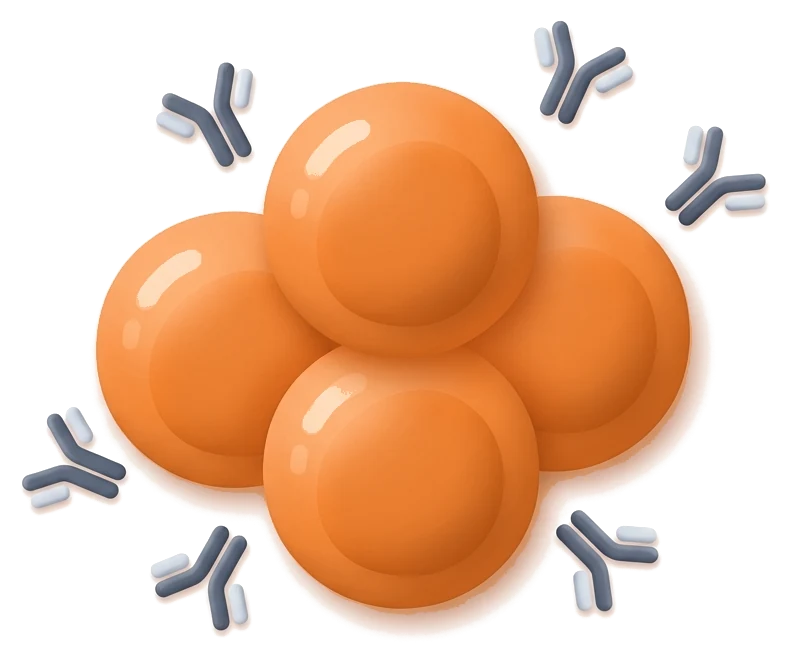
Your immune system is your body's built-in defence force. Every day it quietly recognises and clears germs, repairs damage, and keeps you well — usually without you ever noticing. But when this finely balanced system goes wrong, the effects can be wide-ranging and confusing. It may become underactive, leaving you prone to frequent or unusual infections (a state called immunodeficiency). It may become overactive and mistakenly attack your own tissues (autoimmune disease). Or it may overreact to harmless things like pollen, dust or certain foods, producing troublesome allergies. Clinical Immunology & Allergy is the medical specialty devoted to understanding and treating exactly these problems.
Because immune problems can affect almost any organ — skin, joints, lungs, gut, blood, sinuses and more — their symptoms are often scattered and easy to mistake for something else. A child who catches one serious infection after another, an adult whose 'sinus trouble' or asthma never fully settles, or a person with unexplained rashes, fevers or fatigue may all be experiencing the immune system misbehaving in different ways. This is why immune and allergic conditions are frequently under-recognised and can go years without a clear diagnosis, moving from one doctor to another without answers.
At the Punjab Rheumatology & Immunology Centre (PRIC) in Ludhiana, we bring specialist training and modern testing together to make sense of these puzzling patterns. Our goal is to understand precisely how your immune system is behaving, give you a clear diagnosis, and build a long-term plan that protects your health and improves your day-to-day quality of life. Whether the concern is repeated infections, a suspected autoimmune disorder, or allergies that disrupt sleep, work and school, our team is here to help — with patience, thorough evaluation and continuing support.
Conditions we treat
Primary Immunodeficiency Disorders (PID)
A group of largely inherited conditions in which part of the immune system is missing or does not work properly from birth, leading to frequent, severe or unusual infections. They can appear in childhood or, sometimes, only surface in adulthood.
Secondary (Acquired) Immunodeficiency
Weakened immunity that develops later in life due to another cause — such as chronic illness, diabetes, certain infections, malnutrition, or medicines that suppress the immune system. Recognising and managing the underlying cause is central to treatment.
Recurrent & Severe Infections
Infections that keep coming back, are unusually severe, need repeated courses of antibiotics, or are caused by uncommon organisms. When infections cross a certain threshold, they can be a warning sign of an underlying immune problem that deserves a proper workup.
Autoimmune Diseases
Conditions in which the immune system mistakenly attacks the body's own healthy tissues, causing inflammation and damage. These can affect a single organ or many at once, and often share the specialty's overlap with rheumatology.
Allergic Rhinitis (Hay Fever) & Sinusitis
An allergic reaction in the nose and sinuses causing sneezing, a blocked or runny nose, itching and post-nasal drip, often triggered by dust, pollen, mould or pet dander. When persistent, it can seriously disrupt sleep, concentration and quality of life.
Asthma & Allergic Airway Disease
Inflammation and narrowing of the airways — frequently driven by allergy — that leads to cough, wheeze, chest tightness and breathlessness. Identifying and controlling allergic triggers is an important part of long-term management.
Eczema (Atopic Dermatitis) & Skin Allergies
Chronic itchy, inflamed and dry skin, and other allergic skin reactions such as urticaria (hives). These conditions are often part of a broader 'allergic tendency' and can flare with specific triggers.
Food & Drug Allergies
Reactions to particular foods or medicines that can range from mild rashes and stomach upset to sudden, life-threatening reactions (anaphylaxis). Accurate identification of the true culprit is essential to stay safe and avoid unnecessary restrictions.
Immune Dysregulation Disorders
Conditions where the immune system is not simply weak or overactive but poorly coordinated — leading to unexplained inflammation, recurring fevers, or a mix of autoimmunity and infection. These often need specialist evaluation to untangle.
Anaphylaxis & Severe Allergic Reactions
A rapid, whole-body allergic reaction that is a medical emergency, causing symptoms such as swelling, difficulty breathing and a drop in blood pressure. Those affected need clear diagnosis, an action plan, and guidance on prevention.
When to see a specialist
If you notice any of these, an early consultation can make a real difference. When in doubt, it is always best to get checked.
- Infections that keep coming back, are unusually severe, or need repeated or prolonged courses of antibiotics
- Unusual infections, infections in unexpected sites, or infections caused by organisms that rarely trouble healthy people
- Poor or slow response to standard treatment that would normally work, or conditions that never fully settle
- Chronic or year-round allergies — persistent sneezing, blocked nose, cough, wheeze, itchy skin or hives
- A family history of immune deficiency, autoimmune disease or severe allergy
- Unexplained recurring fevers, prolonged fatigue, or a general failure to thrive or gain weight (especially in children)
- Sudden, severe allergic reactions with swelling, difficulty breathing or a history of anaphylaxis
- Persistent rashes, mouth ulcers, joint pains or other symptoms suggesting the immune system may be attacking the body
What we offer
Comprehensive Immune Evaluation & Specialised Lab Testing
A careful history, examination and targeted laboratory workup to assess how your immune system is functioning — helping distinguish immunodeficiency, autoimmunity and allergy, and reaching an accurate diagnosis.
Allergy Testing & Identification of Triggers
Structured allergy assessment to help pinpoint the substances that set off your symptoms, so that management can be focused on genuine triggers rather than guesswork and needless avoidance.
Immunoglobulin & Infusion Therapy in Day-Care
For patients who need immunoglobulin replacement or other infusions, we provide these in a comfortable, monitored day-care setting — so treatment can be given safely without a long hospital stay.
Immunosuppressive & Biologic Therapy Management
For autoimmune and immune-mediated conditions, we plan, initiate and carefully monitor advanced medical therapies, adjusting treatment over time to balance disease control with safety.
Vaccination & Infection-Prevention Guidance
Personalised advice on vaccinations and everyday precautions for people with weakened or overactive immune systems, helping reduce the risk of preventable infections.
Long-Term Monitoring & Follow-Up Care
Immune and allergic conditions are usually long-term. We provide ongoing review to track your progress, watch for complications, and fine-tune treatment as your needs change.
Guidance for Immunotherapy Candidates
For selected patients with allergies or immune-mediated disease, we assess suitability for immunotherapy approaches and explain what they involve, so you can make informed decisions about your care.
Your care journey at PRIC
A clear, step-by-step path from your first consultation to ongoing, long-term care.
Consult
Detailed history
Diagnose
Labs & imaging
Treat
Personalised plan
Follow-up
Ongoing care
Consult
Detailed history
Diagnose
Labs & imaging
Treat
Personalised plan
Follow-up
Ongoing care
Why choose PRIC for Immunology
- PRIC was founded in 2006 by Dr. Parshant Aggarwal (MD, DM Immunology), among the first qualified Rheumatology & Immunology super-specialists of Punjab — so your care is led by dedicated specialist expertise in this exact field.
- As India's biggest Rheumatology day-care centre, we are equipped to deliver infusions and procedures — including immunoglobulin and other therapies — in a comfortable, closely monitored setting.
- A doctor-founded, holistic and patient-first approach means we take time to understand the whole picture, explain things clearly, and support you through what are often long-term conditions.
- Patients travel to us from across Punjab, Haryana, Himachal, Rajasthan, J&K, Delhi and Chandigarh, as well as NRIs — reflecting the trust placed in our specialist immunology and allergy care.
- Our combined focus on both rheumatology and immunology is a real advantage, because autoimmune and immune-mediated conditions frequently overlap and benefit from this unified expertise.
Frequently asked questions
How do I know if my frequent infections are a sign of an immune problem?
Everyone gets infections from time to time, and most are perfectly normal. It is more concerning when infections are unusually frequent, unusually severe, need repeated or prolonged antibiotics, occur in unexpected places, or are caused by uncommon germs — especially if there is a family history of immune disease. If any of this sounds familiar, a specialist evaluation can help clarify whether your immune system needs closer attention.
What is the difference between an allergy and a weakened immune system?
They are almost opposite problems. An allergy is the immune system overreacting to something harmless, like pollen or a particular food, producing symptoms such as sneezing, rashes or wheezing. A weakened immune system (immunodeficiency) is the immune system doing too little, leaving you prone to infections. Because both fall under clinical immunology, a specialist can assess which pattern fits your symptoms.
Is immunodeficiency always something you are born with?
No. Some immune deficiencies are present from birth (primary immunodeficiency) and may appear in childhood or sometimes only in adulthood. Others develop later in life (secondary immunodeficiency) because of another illness, certain medicines, or other factors that suppress immunity. Identifying which type you have is an important part of the workup, because it guides treatment.
What happens during an immune or allergy workup?
It usually begins with a detailed conversation about your symptoms, history and family background, followed by an examination and targeted laboratory or allergy testing chosen to answer specific questions. The aim is to build a clear picture of how your immune system is behaving. Your specialist will then explain the findings and discuss a management plan tailored to you.
Can immune and allergic conditions be cured, or only managed?
It varies by condition. Some allergies and immune problems can settle significantly with the right treatment and trigger control, while many autoimmune and inherited immune conditions are long-term and focus on excellent control rather than a one-time cure. The encouraging news is that with accurate diagnosis, modern therapy and regular monitoring, most people can achieve good symptom control and a full, active life.
Do I need a referral to see an immunology specialist at PRIC?
You are welcome to seek a specialist opinion if you have ongoing concerns such as recurrent infections, difficult allergies, a suspected autoimmune condition, or a family history of immune disease. If you are unsure whether your symptoms need specialist review, it is always reasonable to book a consultation so your concerns can be assessed properly and you can get clear guidance on the next steps.
Concerned about your symptoms?
Book a consultation with our immunology specialists at PRIC, Ludhiana. Early, expert care makes all the difference.